


Some albums are just too beautiful to ignore. I stumbled upon the single from Gísli Gunnarsson and immediately knew I needed to hear the album. The record is called Úr Öskunni (From the Ashes) and it releases on November 7th.
Gísli comes to us from Iceland. He is a multi-instrumentalist and composer, and I find his story compelling. As a child, he and his family were evacuated from their small hometown, and so his music has this sense of longing and rebirth to it. It feels visionary and emotional.
As for genre, that’s difficult to lock down. It’s definitely based in classical music, but with hefty elements of post-rock, cinematic, and post-black metal. So, you’ll hear plenty of strings and cinematic depth, but also walls of guitars, celestial vocals, and thundering percussion. You can tell he is deeply influenced by Sigur Rós and Alcest, but he has his own voice, not only in his soothing vocals, but also in how he combines these musical elements into something new.
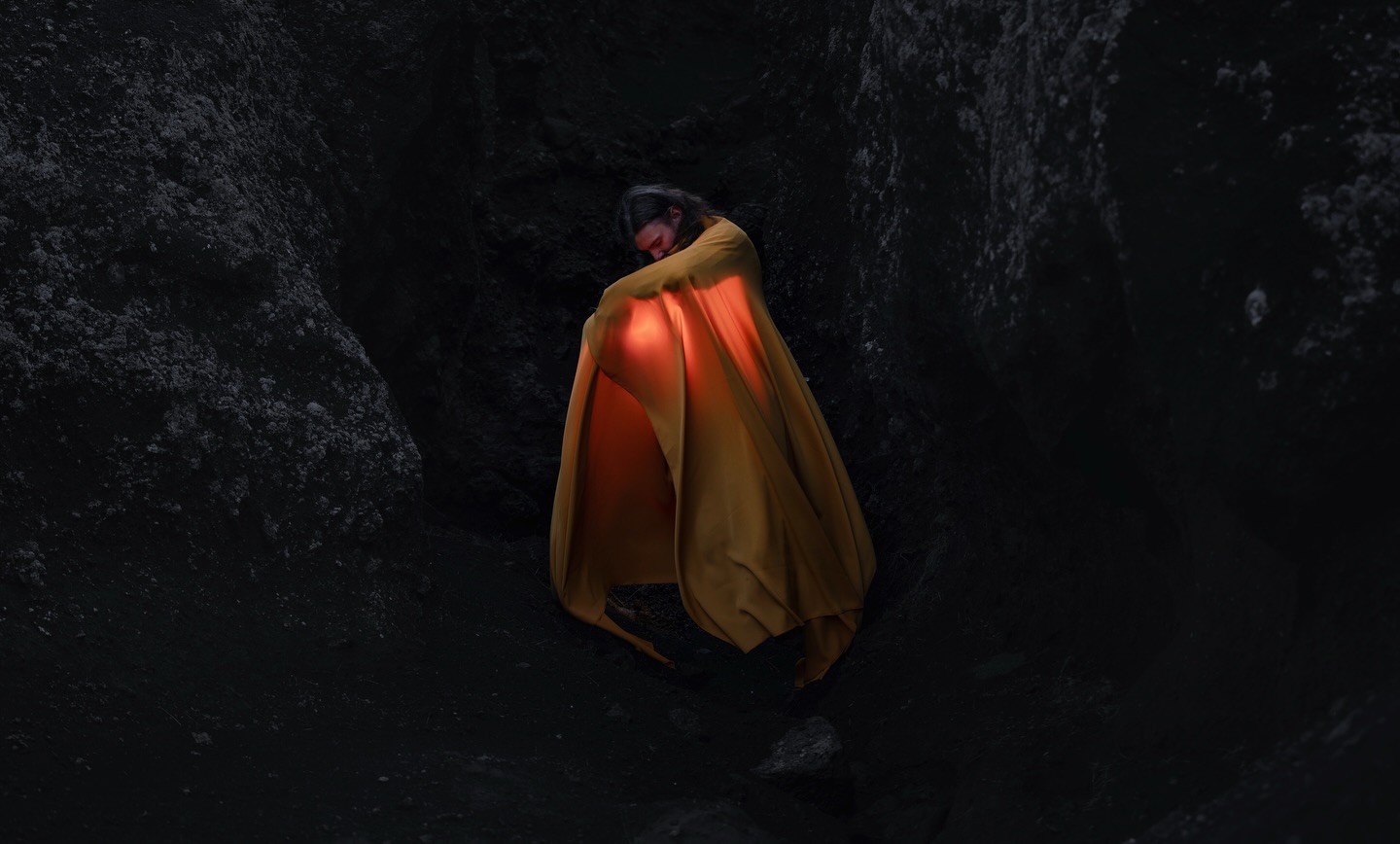
The album certainly does feel like rising from the ashes. There is a haunting, hovering sense of loss, but also feelings of being home, of belonging. The story progresses from home to ash to longing to finding someplace new, and it is sonically arresting. The sheer weight of the emotions, the floating power of the cinema, the gorgeous strings and slight grit of the guitars: all of this comes together to make you feel something.

This is a difficult album to cut up and analyze. It runs together like a refreshing stream of crystalline water. The single “Heima” (Home) is the opener, and it introduces us to the warmth, serenity, and quiet energy of this experience. In the first half, we get tracks that border on sheer ambient music, like “Lúpína”, more deliberate blends of genre, like the immensely beautiful and weighty “Andlitin í Berginu” (The Faces in the Rock). We also get songs of sinister beauty, such as “Aska” (Ashes), and heavenly vocal harmony, such as “Glókolla” (Glaucoma).
The second half is outstanding. I love the riffy power of “Söknuður” (Longing), the heaviness of “Þjófagjá” (Thief Gap), and the delicate atmosphere of “Álftavatn” (Swan Lake). The last two tracks go so well together, from the warm numbness of “Tómarúm” (Vacuum) to the crunchy, riffy, absolutely gorgeous and hopeful “Þar sem vindurinn þekkir nafn mitt” (Where the Wind Knows My Name). I like how the closer has a bit of folk music in it, evoking a sense of place and home.
Gísli has a wonderful album on his hands. Úr Öskunni is a commanding and special look into the loss in his life, and the subsequent emotions and search that took him to new places. It is an evocative experience, not calculating or technical, but rather pure emotion, lustrous energy, cosmic heart. I hope you’ll give it a try.
_____________
Find Gísli Gunnarsson online:
_____________
_____________
 The PROG Mind