

Sometimes, I have an unshakeable feeling about an album, and then the more I listen to that album, the more concrete that feeling becomes. I’m here to tell you today about the debut from Triton Project called Messenger’s Quest. This is a beast of an album, but there are some caveats.
Triton Project is the brainchild of Tanpawat Suttipong from Thailand. He is a master keyboardist and you’ll hear his imprint everywhere on this record. He brings with him Sean Thompson, whom you may know from Odd Logic and Nothing in Writing; Sean brings his vocals, lyrics, and guitars to the table. Kieran Pope brings bass guitar, and guest Olivier Allard brings violin on one track.
I’ll get right to the point. This is a massive, sprawling progressive metal album that has both strengths and weaknesses. The performances are definitely a strength. Sean sounds terrific on vocals, like always, and his dark, beautifully heavy guitar work is a major highlight. Think more Symphony X than Dream Theater (I hate to even mention those bands here). Tanpawat is an extraordinary player, there is no doubt; his keys are sweeping vistas of spacious melody and riveting solos. Kieran’s bass is a major player and is vibrant and driving.

These three form some truly incredible instrumentals throughout the album, ones that would make most bands jealous. I will say that those are the most memorable parts of the album, those moments when the riff is amazing, the keys are bright and cinematic, and the bass is holding everything together with style. There are segments here that remind me of Haken’s Aquarius album, not in sound specifically, but in that feeling of anticipatory cinema and fantasy.
The album’s strength is also its worst enemy. This is a complex album that barely stops to take a breath, and so Sean’s vocals end up being an afterthought, certainly not in his performance, but in how they are worked into the album itself. You won’t hear his signature hooks very much because he’s had to write vocal melodies and lyrics around a prog metal machine that won’t pause itself for long. So, no, this is not an album that you will sing along with, and you probably won’t even remember the choruses, or if there were any in the first place. I tried to focus on this aspect while listening, and I still couldn’t remember them.
Part of this is because the album has only five songs, but they are lengthy. The first couple aren’t very long, but then the last three together are over one hour long. It feels like some extensive self-editing would have really helped this release. It’s a beautiful and hard-hitting record that has extremely noticeable high points, but you’ll find yourself forgetting the album soon afterwards.
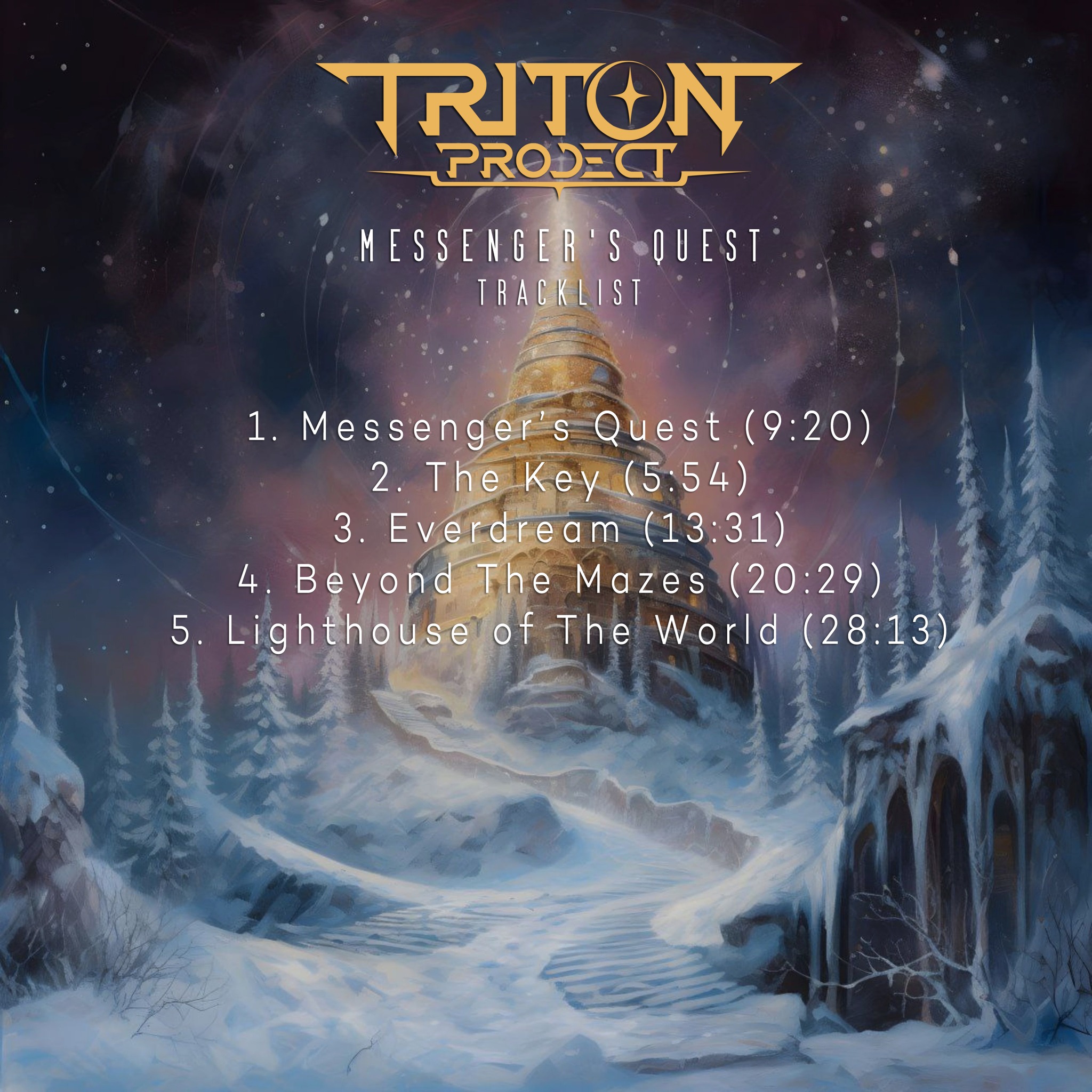
Now for specifics. The first couple tracks are good. I like the opening title track; it has some acoustic portions that are nice, yet the song feels cinematic and like the beginning of an epic story. “The Key” follows and is the most succinct song with a 6-minute runtime, and has probably the most memorable chorus on the album. Next comes my favorite song overall, “Everdream”, a 13-minute piece with its own issues. This song has multiple instrumentals that are absolutely astonishing, ripping riffs battling in spectacular fashion with flowing rivers of keys; in between those, the song struggles somewhat, but I think forgivably.
The last two tracks are both over 20 minutes long, and its at this point that I start wondering when the album will end. It’s something like listening to an Emerson, Lake, and Palmer album where most of what they do is show off, and most of the in-between portions are just trying to set up the next solo. “Beyond the Mazes” is a good song, but I feel like it could have been great. I love the keyboard tone, and Sean’s guitars are again a highlight; I like the spacey vibe in the middle, and the roaring finale where Sean really stretches his vocal range. There is so much to like about the song, but cutting a quarter of it would have accentuated those things.
The closer is “Lighthouse of the World”, almost 30 minutes long, which has some great moments, too. I like the swooning, softer opening minutes and how they transition suddenly into heavy and fast. But after listening to it several times, I still don’t remember much about it. Sean feels like he’s trying to fit words in where he can, though. Again, it has everything it needs to be a great song, but cutting half of it out would have been beneficial.
Triton Project has some serious potential. This album is wildly technical and extremely ambitious, but maybe too heavy handed for its own memorability, for its own good. If you are the kind of prog fan who cares only about the music side of things, you’ll probably dig this. If you want balance between the story, lyrics, hooks, and technical music, you might find yourself struggling. Still, this is an impressive debut from a certain perspective, and their next one could be something truly special.
_______________
Find Triton Project online:
_______________
_______________
 The PROG Mind